
Mail us : contact@stepvionex.com
The Great Shoe Debate: Comfort, Style, or Both?

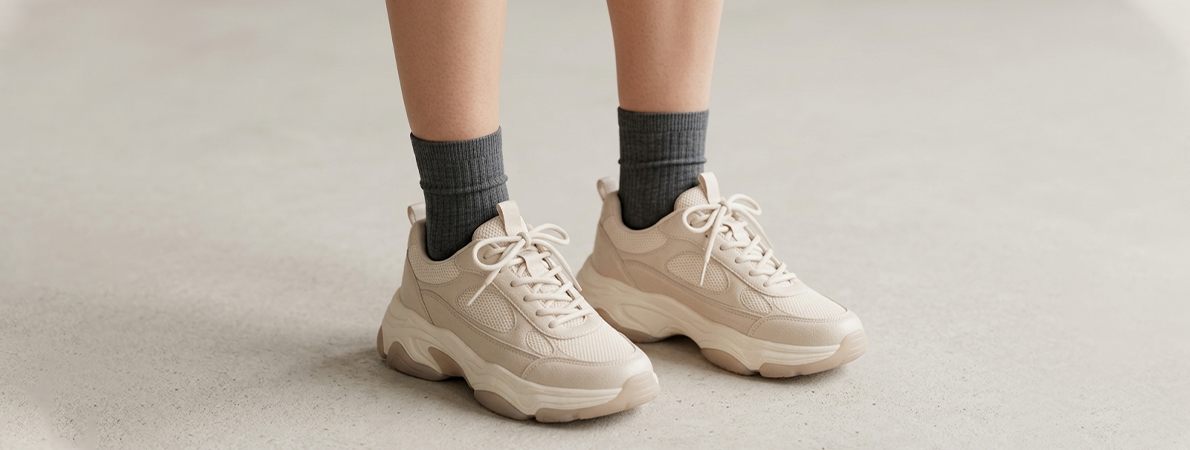
The Great Shoe Debate: Comfort, Style, or Both?
Standing in front of your closet each morning, you face a subtle yet persistent dilemma that influences your physical comfort and personal presentation all day long. Selecting daily footwear frequently feels like an unnecessary compromise between distinct priorities, forcing individuals to choose between modern aesthetic presentation and structural foot support.
For professional teams, urban commuters, and active families managing demanding daily routines, poorly structured footwear can result in physical fatigue and reduced productivity, while purely utilitarian options often fall short of workplace style expectations.
Resolving this classic debate requires evaluating how modern footwear engineering operates, how materials influence long-term structural integrity, and how smart design choices eliminate the traditional compromise entirely.
1. Deconstructing the Historical Divide in Footwear Design
The historical separation between style and physical support stems from traditional manufacturing methods that valued form over human biology. For generations, footwear production operated under rigid parameters, using stiff leather components, narrow toe boxes, and also unyielding outsoles to create structured silhouettes for formal and professional environments.
This design methodology considered style as an exterior shell, often ignoring the natural contours, flexibility, and shock-absorption requirements of the human foot. Conversely, early supportive footwear focused exclusively on orthopedic mechanics, resulting in bulky, industrial profiles that did not align with modern fashion or professional corporate attire.
This clear divide forced consumers to compartmentalize their wardrobes, reserving supportive items for athletic tasks and accepting physical discomfort during professional meetings or social gatherings.
The modern lifestyle, however demands constant movement, requiring footwear that transitions seamlessly between diverse environments without causing physical strain or compromising personal style standards.
2. The Biomechanics of Footwear Support and Physical Efficiency
To understand why traditional footwear often causes physical fatigue, it is essential to examine how a shoe’s structural architecture interacts with the natural biomechanics of the human body. Every step involves a complex chain of kinetic energy that begins at the heel strike and finishes at the toe-off.
Footwear Construction: Support Elements vs. Aesthetic Consequences
| Structural Component | Biomechanical Function | Traditional Design Deficit | Modern Engineered Solution |
|---|---|---|---|
| Outsole Unit | Absorbs initial ground impact forces | Hard, rigid materials pass shock to joints | Lightweight, flexible rubber compounds |
| Insole Footbed | Distributes body weight across the arch | Flat, unyielding boards cause strain | Contoured memory foam cushioning layers |
| Toe Box Enclosure | Allows natural forefoot splay and stability | Narrow, tapered shapes pinch digits | Anatomical profiles matching foot width |
| Heel-to-Toe Drop | Governs overall standing posture alignment | High elevations alter spinal curvature | Low-profile gradients for natural balance |
When a shoe lacks adequate arch support or impact absorption, the muscles and tendons in the lower leg must work significantly harder to stabilize the body. Over a long workday, this continuous over-exertion creates localized tension, which can gradually progress into lower back strain and overall physical fatigue, lowering productivity during critical business hours.
3. The Rise of Hybrid Engineering and Smart Materials
The modern footwear marketplace is undergoing significant transformation which is mainly driven by innovative material science and advanced construction techniques that actively bridge the gap between form and function.
Designers are using procedural components originally developed for high-performance athletic gear and integrating them discreetly into formal and smart-casual styles.
1.Anatomical Last Development and Scanning:Phase 1.
Designers utilize three-dimensional digital scans of diverse foot structures to shape the interior volume, prioritizing natural toe movement.
2.Discreet Insole Integration and Layering:Phase 2.
High-density polyurethane foams and flexible supportive shanks are embedded within traditional leather midsoles.
3.Flexible External Assembly and Stitching:Phase 3.
The upper material is bonded to lightweight, shock-absorbing outsoles using flexible stitching methods that allow the shoe to bend naturally.
This hybrid assembly approach allows a classic dress shoe or professional boot to provide the internal cushioning, flexibility, and responsiveness of a sophisticated running shoe. By hiding advanced support features beneath clean leather or knit exteriors, manufacturers deliver excellent physical protection without altering the clean, sophisticated profiles required for modern professional presentation.
4. Prioritizing Material Selection for Longevity and Flexibility
When building a versatile and dependable footwear wardrobe, evaluating the raw materials used in construction is just as important as analyzing the visual design. The quality of these materials determines how well a shoe adapts to the unique shape of your foot over time and how effectively it regulates temperature during extended wear.
Sophisticated natural leathers and advanced textiles offer exceptional breathability, allowing moisture to escape and preventing the friction that typically results in skin irritation. Natural leather possesses a unique cellular structure that gently stretches and molds to the wearer’s foot configuration, creating a custom fit that enhances comfort with every wear.
Conversely, stiff synthetic plastics and low-grade alternative materials rarely break in, retaining their rigid shapes and restricting natural movement. Smart consumers look for flexible uppers combined with moisture-wicking interior linings, ensuring the shoe maintains a balanced internal environment from morning commutes to late-evening dinner meetings.
5. Identifying Key Structural Features in Everyday Footwear
Finding the sweet spot between style and structural support requires knowing exactly what features to look for when evaluating a new pair of shoes. Rather than relying on superficial branding, smart shoppers examine the specific design details that indicate real structural integrity.
Torsional Rigidity: A well-built shoe should resist twisting along the midfoot, providing a stable foundation that prevents lateral roll and supports the arch firmly.
Forefoot Flexibility: While the midfoot should remain stable, the shoe must bend easily at the ball of the foot to mirror your natural walking gait smoothly.
Secure Heel Counter: A firm, deep cup at the back of the shoe locks the heel in place, reducing slippage and protecting against painful blisters.
The Stability Test: Before purchasing a new pair of shoes, place one hand on the heel and the other on the toe, then gently press them together. The shoe should bend exclusively at the forefoot while remaining firm through the center arch, signalling correct anatomical engineering.
6. Building a Versatile Wardrobe with Smart-Casual Hybrids
The shift toward flexible workplace dress standards has accelerated the demand for versatile, multi-functional footwear. The modern smart-casual category focuses heavily on this balance, offering hybrid styles that fit ideally into traditional offices, creative studios, and casual weekend settings alike.
Clean minimalist sneakers crafted from sophisticated leathers represent a great example of this design evolution. When paired with tailored trousers or structured denim, these shoes provide a sharp, modern look while maintaining the all-day comfort of an athletic platform.
Similarly, modern loafers and ankle boots now incorporate flexible crepe outsoles and responsive footbeds, updating classic styles for active lifestyles.
Spending in these adaptable designs allows you to simplify your wardrobe, reducing the total number of items you need while ensuring every option you own delivers consistent comfort and style.
This thoughtful approach ensures you are always prepared for unexpected schedule changes, keeping you moving with complete confidence.
7. Sustainable Manufacturing and Future Footwear Innovations
As the footwear industry looks toward the future, the integration of sustainability and advanced technology is reshaping how supportive, stylish shoes are created. Forward-thinking manufacturers are moving away from resource-intensive assembly lines, adopting innovative techniques that minimize material waste while optimizing product performance.
One major advancement involves the use of computerized three-dimensional knitting technology for shoe uppers. This process creates a single, continuous piece of fabric sculpted precisely to the shape of the foot, eliminating excess material waste and removing traditional stitched seams that often cause rubbing and irritation. These procedural knits are frequently made from recycled ocean plastics, offering excellent breathability and structural flexibility.
Additionally, eco-conscious brands are replacing petroleum-based cushioning with plant-based alternatives, such as natural latex, harvested cork, and sugarcane-derived foams. These natural materials provide exceptional impact absorption and structural longevity while significantly reducing environmental impact.
8. Making Informed Purchases: The True Value of Footwear Purchase
Choosing the right footwear ultimately requires shifting your mindset from short-term fashion trends to long-term physical value. While poorly constructed fashion shoes may seem appealing due to lower price points or temporary style trends, the hidden cost often shows up later in physical discomfort, rapid product wear, and the regular need for replacements.
High-quality, correctly engineered footwear represents a direct spending in your daily mobility, postural alignment, and overall energy levels. A pair of shoes that balances clean design with correct anatomical support protects your body from daily fatigue, allowing you to focus entirely on your professional goals and personal activities without distraction.
By understanding your unique foot structure, prioritizing quality materials, and seeking out innovative hybrid designs, you can easily build a collection that satisfies your personal style preferences and physical comfort needs.